Tune In for PMHI's August 2026 Webinar
Tuesday, August 25th, 2026 • 1:00 PM - 2:30 PM • Irish Time
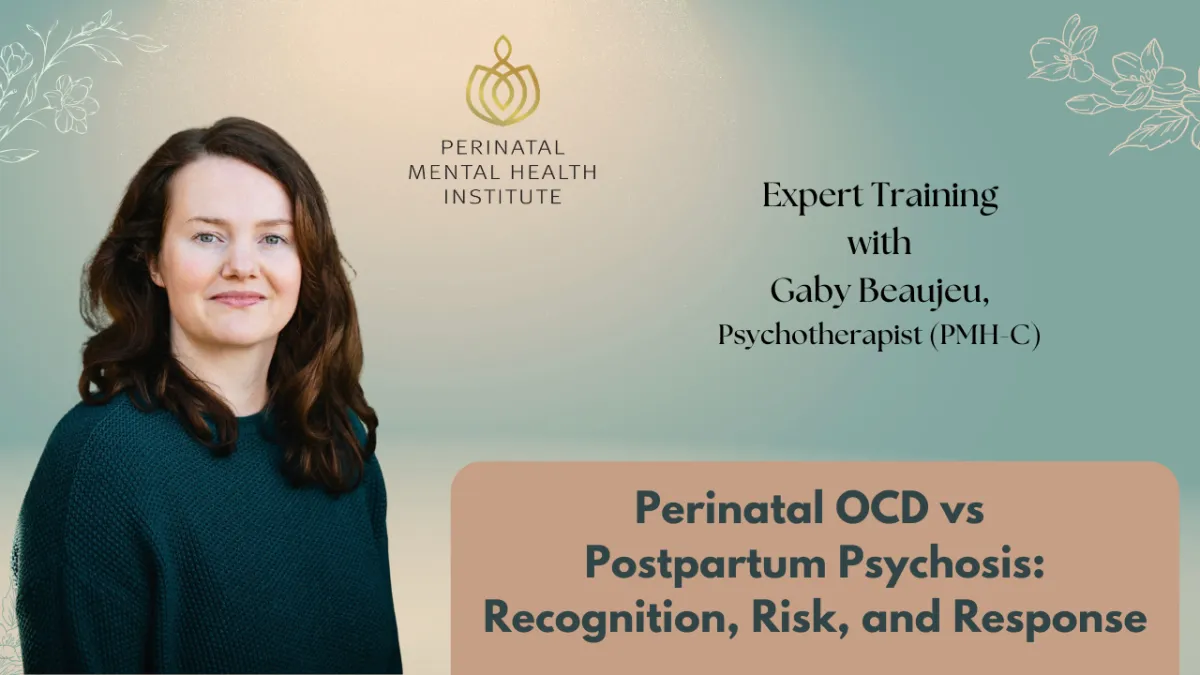
Perinatal OCD and postpartum psychosis can both involve distressing thoughts related to infant harm, yet they differ significantly in presentation, risk, and treatment. Misidentification can lead to unnecessary fear, delayed care, or missed psychiatric emergencies. This training will provide clinicians with practical strategies for distinguishing perinatal OCD from postpartum psychosis through assessment of insight, reality testing, symptom presentation, and risk factors.
Participants will review the clinical features of each condition, including the role of intrusive thoughts, compulsions, delusions, hallucinations, and mood symptoms. Through case examples and clinical decision-making tools, attendees will learn how to differentiate ego-dystonic obsessions from psychotic beliefs, conduct appropriate risk assessments, and determine the most appropriate level of care. The training will also address common diagnostic pitfalls, strategies for reducing stigma around disclosure of intrusive thoughts, and evidence-based treatment approaches for both conditions.
By the end of the session, participants will be better equipped to recognize these disorders, respond confidently to patient disclosures, and facilitate timely, appropriate intervention for perinatal individuals and their families.
Tuesday, August 25th, 2026 • 1:00 PM - 2:30 PM • Irish Time
Register Here:

Why This Training Matters
Perinatal OCD and postpartum psychosis can both involve distressing thoughts related to infant harm, yet they differ significantly in presentation, risk, and treatment. Misidentification can lead to unnecessary fear, delayed care, or missed psychiatric emergencies. This training equips clinicians with practical, evidence-based strategies for telling the two conditions apart and responding with clarity and confidence.
What You'll Learn:
How to distinguish perinatal OCD from postpartum psychosis through assessment of insight, reality testing, symptom presentation, and risk factors
The clinical features of each condition, including intrusive thoughts, compulsions, delusions, hallucinations, and mood symptoms
How to differentiate ego-dystonic obsessions from psychotic beliefs
How to conduct appropriate risk assessments and determine the most suitable level of care
Common diagnostic pitfalls in perinatal OCD and postpartum psychosis
Strategies for reducing stigma around disclosure of intrusive thoughts
Evidence-based treatment approaches for both conditions
Meet Your Instructor!
Gaby Beaujeu
Gaby Beaujeu is the Clinical Training & Community Coordinator with the Perinatal Mental Health Institute and a PMH-C certified psychotherapist at Mindful Roots Counselling. Her clinical background includes community mental health, early-intervention psychosis services, and clinical research surrounding first-bout psychosis and improved clinical outcomes.
She currently works in private practice supporting individuals and couples across the perinatal period as delivering training and workshops on perinatal mental health across community, university, and clinical settings.

Join the PMHI Community Hub
Where Perinatal Providers Connect & Grow
€19/month gives you:
Attend ALL monthly webinars (with 90-day recording access)
Monthly peer consultation groups
Discussion boards & a treasure trove of resources
Discounts on all other PMHI trainings
Frequently Asked Questions
What if I can't attend the live webinar?
Don't worry! When you purchase a live webinar, you'll also automatically receive access to the recording once it is available. This allows you to watch at your convenience if you can't attend live or want to review the content.
If you are a PMHI Community Hub member, you will be automatically invited to attend all live webinars. If you are not able to attend live, each webinar recording is available to you through your membership for 3 months after it was recorded.
Will I receive CPD credits for attending?
You'll receive a certificate of attendance for each webinar, which you can use for your continuing professional development records. The certificate includes the webinar title, presenter, date, and duration.
How do I join the live webinar?
After registration, you'll receive an email with all the details and a Zoom link. We'll also send reminder emails closer to the event date. Simply click the link at the scheduled time to join.
Is there a discount for purchasing multiple webinars?
The most cost-effective way to access multiple webinars is through our PMHI Community Hub membership. For €19/month, you get access to all upcoming monthly webinars plus any recorded webinars from the previous 90 days. You'll also get additional benefits like peer consultation groups and resource libraries.
What technology do I need to participate?
You'll need a device with internet access and the ability to run Zoom. While you can join from any device, a larger screen is recommended for viewing presentation slides. A microphone is helpful for the Q&A portion but not required, as you can also submit questions via chat.
Are the webinars interactive?
Yes! Each webinar includes time for Q&A with the presenter. You can submit questions via the chat function or use your microphone to ask directly during the designated Q&A period. Some presenters also welcome questions ahead of time and when they do, we'll send an email with a form to submit your questions before the event.
What level of expertise is required to benefit from these webinars?
Our webinars are designed to be accessible to professionals at all levels while still providing valuable insights for experienced practitioners. Each webinar description includes information about the intended audience to help you choose the most relevant sessions.
Can I share my registration with colleagues?
Each registration provides access for a single viewer. We appreciate your understanding that sharing access with others impacts our ability to continue providing quality education.